Revelation 1: 1-3
The revelation from Jesus Christ, which God gave him to show his servants what must soon take place. He made it known by sending his angel to his servant John, who testifies to everything he saw—that is, the word of God and the testimony of Jesus Christ. Blessed is the one who reads aloud the words of this prophecy, and blessed are those who hear it and take to heart what is written in it, because the time is near.
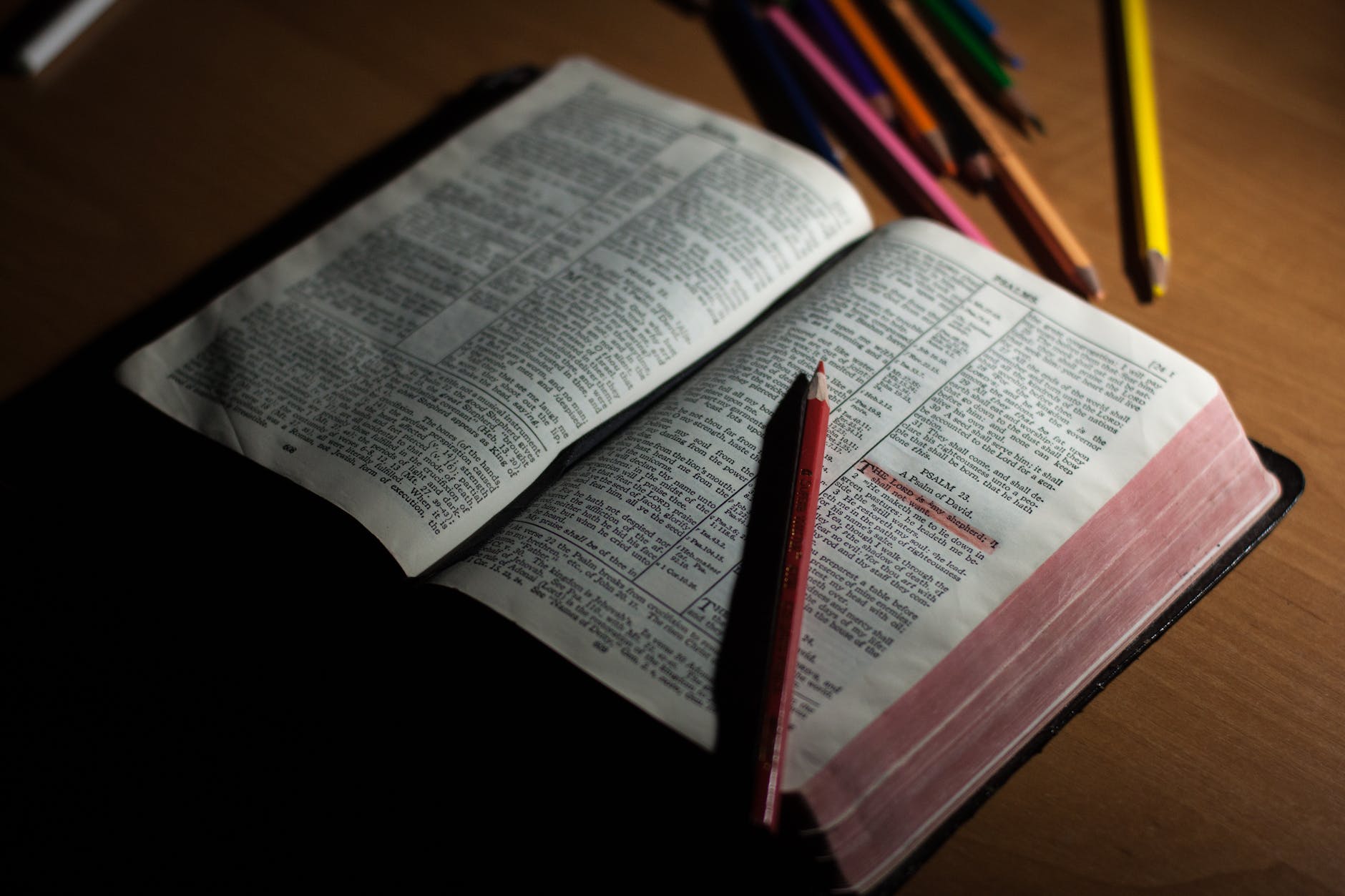
My Bible reading goal this year is to read The New Testament. And so now, I’m at ready to start Revelation. The book of Revelation is not your standard Bible book. It’s confusing and hard to understand. This will be my second time of doing a more in-depth study of it.
Much of what I’ll be posting as part of the study was actually written a few years ago when I did the first study. There may be some changes as hopefully, my understanding has grown since then.
Before I started reading Revelation, I researched what “experts” had to say about it. In that quest I learned something important. Even the so-called “experts” can’t agree on what the book of Revelation means so don’t feel bad if you find it confusing like me.
There are many different approaches to interpreting Revelation. Here’s a very simplified description of the four major views.
Spiritual or Idealist: The book is a symbolic representation of the continual battle between good and evil. It does not refer to any specific historical events and is applicable at any point in history.
Preterist: Most prophecies in the book were fulfilled during the time of the Roman Empire.
Histroricist: The book is a presentation of history from John’s (the writer) day until the second coming and beyond.The prophecies have been fulfilled throughout history and are still being fulfilled today.
Futurist: Most prophecies beyond Revelation chapter 3 are yet to be fulfilled.
Although scholars and teachers may label themselves with one of these distinct methods, in reality they often use various combinations of the four.
Which way is the right way? I have no idea, but I do know that because it is part of the Holy Bible, we can trust that Revelation has value for all Christians.
So since no one seems to really know what it says or means, I decided to simply approach Revelation the way I do other books of the Bible. I would read through the verses, check out what my study Bible notes have to say, research what others say about it, then make up my own mind.
So for the next however long it takes, I’m sharing my study on Revelation here. Please understand, I’m not an expert in any way. I’m a Christian who seeks to better understand the book of Revelation.
PS. I’d love to get your input as we move along in this study.
 POWER UP WITH GOD